Token Creation
Info
The Token Creation module transforms DARCA from a bank with assets into a platform where assets are created, receive rules, liquidity, and circulation, and can then live both inside the ecosystem and in external wallets.

What this module is and why it is needed
This is a Token Factory inside DARCA: token issuance according to a quality standard, immediately bundled with a wallet, transfers, access rules, and the potential for listing on P2P.
Most tokens today are created detached from real infrastructure: issuance is separate, storage is separate, trading is separate, and compliance and documentation exist somewhere “nearby”. The Token Creation module removes this fragmentation and turns token issuance into a managed product.
The core idea is simple: a token in DARCA is not just created. It receives:
- rules for transfers and trading
- maturity statuses that unlock capabilities as trust grows
- infrastructure for a wallet, P2P, and conversion
- documentation and a disclosure standard
- the ability to withdraw the token to external wallets, if permitted by the token rules and the region
Note
The value of the module is not in “issuing a token”, but in ensuring that the token immediately becomes part of the banking system, with a trust standard and managed risks.
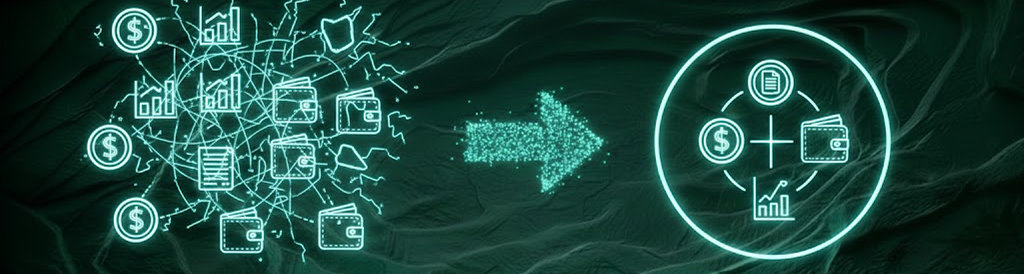
What market problems token creation solves
The module eliminates service fragmentation, reduces user errors, improves operational predictability, and raises market quality through standards and ratings.
Service fragmentation
- a token should not live in one place, be traded in another, and explained in a third
- in DARCA, a token immediately becomes a bank asset and receives a unified UX
Operational unpredictability
- inside DARCA, token transfers work instantly and clearly
- external transfers are available, but go through a preview of outcomes, network, and fees, so funds are not lost due to mistakes
User errors and support load
- a standard token card reduces cases of “wrong network” and “wrong address”
- support works in an action-first format: buttons and deep links lead to the required action, not to long instructions
Market quality and trust
- tokenization without standards turns into a storefront of junk
- DARCA builds the Token Factory so that the market remains high-quality and verifiable
Warning
Token listing and external transfers are not granted “by default”. These are managed capabilities that open according to rules and trust.

Token classes and strictness levels
Tokens are divided into classes so that bonuses, project tokens, and asset-backed tokens are not mixed. Each class receives its own risk, compliance, and availability regime.
We divide tokens into 3 classes to manage risks and expectations:
-
Internal tokens
Loyalty tokens, gaming units, partner points, and utility mechanics. Trading and external withdrawals may be limited or prohibited. -
Project tokens
Tokens for projects and communities. Internal transfers are available under the rules, while trading and external withdrawals open once the required maturity statuses are reached. -
Asset-backed tokens
Tokens linked to an underlying asset or cash flow. Maximum strictness: documentation, audience restrictions, regional availability, and special disclosures.
Tip
Token classes follow a simple rule: the higher the risk, the stricter the rules for access, trading, and external transfers.

How a token is created
Token creation goes through a setup wizard: template, parameters, policies, treasury, disclosures, and deployment from a verified standard without arbitrary code.
The token issuance process is not a form with 10 fields, but a sequence of decisions that lock in rules and responsibility.
1) Token template
The issuer selects the token type, and with it receives baseline restrictions:
- whether trading on P2P is allowed
- whether external transfers are allowed
- whether additional issuance is permitted
- which disclosures and documents are mandatory
2) Issuance parameters
- name, ticker, visual style
- issuance network or networks
- supply and issuance model: fixed, scheduled, event-based
- management roles and permissions
3) Token Policy
Token policies define what holders can and cannot do:
- who can hold the token, including KYC and region
- transfer and trading limits
- whitelist and blacklist
- conditions for enabling external transfers
- rules for listing on P2P
4) Treasury and distribution
- issuer treasury wallet
- allocations and reserves
- lockups and vesting for a transparent launch
5) Compliance Wizard and disclosures
Before issuance, the following are fixed:
- what the token provides and what it does not provide
- risks and limitations
- regional availability
- mandatory documents and links
Example
A token may be available in the wallet and for internal transfers within DARCA, but trading on P2P and external withdrawals will open only after Verified status and meeting the requirements.

Token maturity statuses
A token matures through stages: from draft to tradable and available for external transfers. This manages risk and builds trust.
Each token has a clear lifecycle:
Draft -> Verified -> Tradable -> External-enabled
- Draft - the token is created, but availability is limited, documents are being prepared.
- Verified - disclosures and terms are confirmed, the token receives a trust standard.
- Tradable - listing on P2P is allowed under the rules.
- External-enabled - external transfers to on-chain addresses are allowed on specified networks.
Note
Statuses eliminate the main risk of token builders: “issued and immediately released to the market”. In DARCA, everything works in stages.

How a token lives inside the bank: wallet, P2P, and external withdrawals
A token in DARCA works like a banking asset: internal transfers are instant, trading happens through P2P under rules, and withdrawals to external wallets become available only after approval and network verification.
Internal transfers
The token is available for holding and transfers inside DARCA in the same UX as other assets. This reduces complexity and eliminates errors.
P2P and liquidity
Listing on P2P is a quality checklist:
- disclosures and documents
- token status
- liquidity requirements, if needed
- trading rules, limits, and protection against manipulation
External transfers to wallets
Issued tokens can be withdrawn to external wallets when:
- the token is in External-enabled status
- the user meets access rules, region requirements, and rating criteria
- the correct network is selected and the operation outcome is previewed
DARCA always shows a preview: network, fee, address, and final amount to receive. This reduces the risk of losing tokens due to mistakes.
Tip
For stricter tokens, external withdrawals may work through whitelisted addresses and additional delays. This increases security and reduces the risk of abuse.
Risks and protection
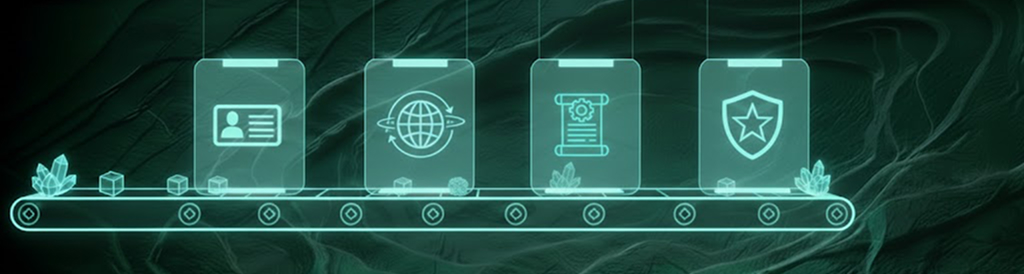
Tokenization risks are not swept under the rug: DARCA manages them through token classes, contract templates, ratings, geofencing, and incident processes.
Key risks and mitigations:
-
Scam and misrepresentation
Disclosure standards, moderation, maturity statuses, issuer rating. -
Legal classification
Geofencing, audience restrictions, separate rules for asset-backed tokens. -
AML and sanctions
KYC, monitoring, risk scoring, limits, restrictions on external withdrawals. -
Market manipulation
Listing quality control, trade anti-spam, restrictions on triggers and activity feeds. -
Smart contract bugs
Only verified “golden templates”, version control, audits, time-locks for critical operations.
Incident plan:
Freeze -> Evidence -> Escalate -> Resolve -> Communicate -> Prevent
Danger
Reputation matters more than speed. Therefore, any token that violates the rules or creates risk for users loses access to trading and external transfers according to policy.

How the module generates revenue and accelerates ecosystem growth
Token creation generates revenue not only from issuance, but from circulation: every new token strengthens P2P, increases retention, and creates recurring revenue through subscriptions and fees.
Monetization
- fee for token issuance and onboarding into standards
- issuer subscription for advanced capabilities, reports, API access, and policies
- fee for listing and maintaining a listing on P2P
- transaction fees on token volume in P2P and in instant execution mode
- partner revenue: compliance, audits, documentation, integrations
Growth and retention
- one issuer brings an audience, this is a B2B2C model
- tokens create reasons to stay in DARCA because they are connected to the user’s life, games, brands, communities, and real assets
- assets become liquid inside the ecosystem, and capital stays within the product
Note
Token Factory is a flywheel: new tokens bring users, users generate volume, volume increases liquidity, liquidity raises market quality.

How the module strengthens the entire bank
Token creation connects the core and modules into a single system: wallet, exchange, P2P, subscriptions, support, and documents work the same way for any assets.
The module strengthens the ecosystem in several directions at once:
- expands the range of assets without inflating risk, because assets are created according to a standard
- reinforces P2P, because more trading instruments appear, including RWA
- standardizes support and reduces errors through uniform asset cards and statuses
- gives the company a scalable growth model through projects and partners
Tip
As a result, DARCA gains a rare combination: bank + assets + liquidity + quality standards. This is difficult to copy and easy to scale.