NFT
Info
NFT in DARCA is a new-type digital assets module: creation, storage, receiving and sending of NFTs with bank-grade security, while remaining fully compatible with the external Web3 ecosystem.
What NFTs Are
An NFT is a unique digital object with its own identifier on the blockchain that can be stored, transferred and used as an asset or an “access key”.
NFT is not just “images”, but a universal format for packaging digital value: an item, pass, membership, ticket, certificate, in-game asset, brand artifact, or proof of access rights.
The core idea is simple: it is a digital item with a unique ID that lives on the blockchain and can be transferred to another owner just like any other asset.
Note
The main value of NFTs for the ecosystem is not “collecting”, but bringing clear ownership and access scenarios into the digital environment.
Why DARCA Needs This Module
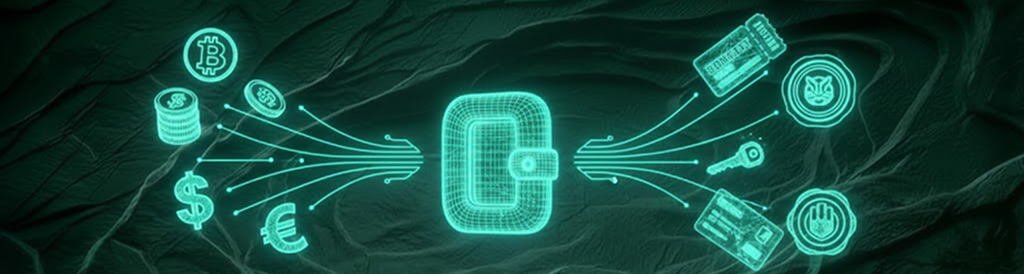
NFTs extend the DARCA ecosystem into a full-fledged “digital asset portfolio”, where everything is stored, protected, and transferred within a single unified contour.
The NFT module is needed to:
- consolidate all user assets in one place: crypto, fiat, and digital objects
- provide a simple create - receive - send flow without complex wallets and manual setup
- address the core pain point of the NFT market: security and protection against scams
- open new growth vectors within the DARCA ecosystem: gaming, creators, brands, communities, and enterprise scenarios
Tip
NFTs are not a standalone product, but an ecosystem amplifier: they add a new class of assets that naturally creates repeated usage and retention.
Which Market Problems It Solves
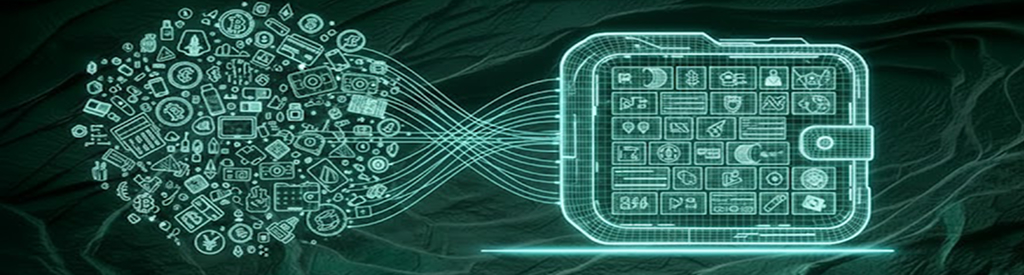
The module addresses fragmentation, reduces fraud risk, and simplifies UX by turning NFT operations into “banking-style” processes.
Fragmentation of services and wallets
Users typically keep crypto in one place, NFTs in another, and deals and communication in a third. This creates errors and increases the risk of asset loss.
DARCA consolidates NFTs into a single portfolio with unified security rules, history, and support.
Note
This directly addresses the fragmentation problem explored: the user stops living across disconnected applications and gains a cohesive system.
Scams, phishing, and “airdrop traps”
The NFT market is overloaded with malicious collections and metadata that lead to phishing, provoke dangerous permissions, or substitute user actions.
In DARCA this is addressed at the product level:
- quarantine for unknown and suspicious NFTs
- verification of collections and creators
- blocking of “dangerous” actions without enhanced warnings and confirmations
UX complexity
Typical NFT wallets require knowledge of networks, gas, standards, and smart contracts.
DARCA makes NFT management accessible: the user does not need to be an expert, but always sees the outcome and the meaning of what is happening.
Warning
Strong UX without strong security in NFTs leads to mass losses and reputational risk. That is why the module is built with “security first”, and convenience is achieved architecturally.
How It Works in DARCA
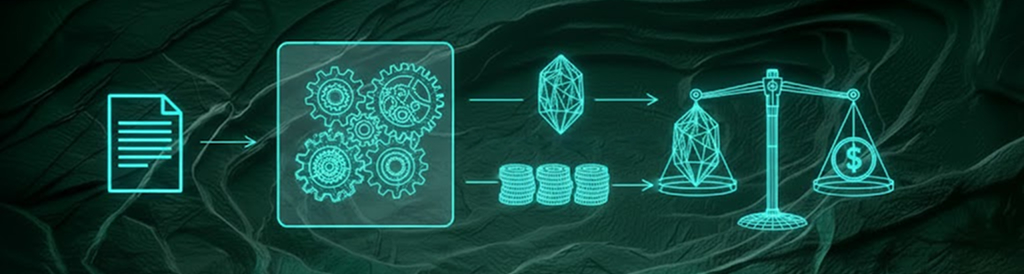
DARCA uses a hybrid model to combine a fast user experience with compatibility with external wallets.
We use a hybrid model: inside the app, NFTs are managed as simply and quickly as possible, while the user retains the ability to send NFTs to external wallets and receive NFTs from outside.
NFT Creation
- the user mints a personal NFT (from a file) or a collection (series/edition)
- complex technical parameters are hidden behind clear choices: “unique” or “edition”
- before confirmation, the final result is shown: what is being created, where, what the costs are, and the outcome
Example
The user creates a “certificate” or “pass” as an NFT that can be transferred, sold, or used as proof of access.
Sending and Receiving NFTs
- inside DARCA, NFTs can be sent via phone / email / internal ID
- to an external wallet - via address/QR, with network checks and warnings
- incoming NFTs from the external world are automatically added to the portfolio, but go through trust classification
Anti-scam Layer
NFTs are divided into categories:
- Verified - verified collections and partners
- Unknown - unknown, without explicit risks
- Quarantine - suspicious airdrops and malicious objects
Danger
NFTs from quarantine must not become an “attack vector”. Therefore, any risky actions with them require enhanced confirmation and additional warnings.
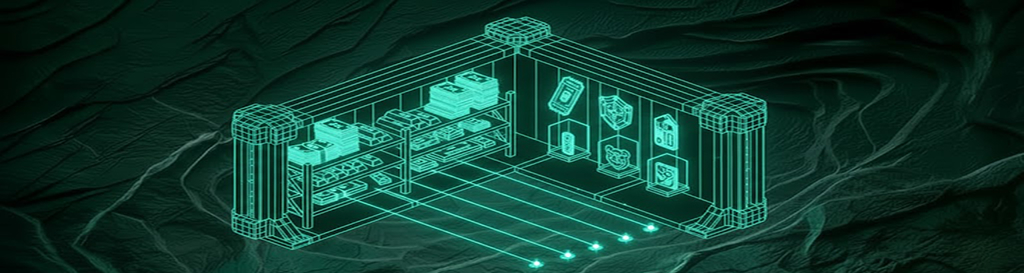
Bank-Level Security
NFTs are protected by the same risk policies as money: confirmations, limits, and strict scenarios for dangerous actions.
The module uses the unified DARCA security perimeter:
- enhanced confirmations for sending/listing/withdrawing NFTs
- protection against data substitution and suspicious actions
- flexible policies that can be strengthened via the Enhanced Security module
Tip
The strongest differentiation of the DARCA NFT module is not “just another wallet”, but the combination of convenience and anti-scam architecture at the level of the product core.
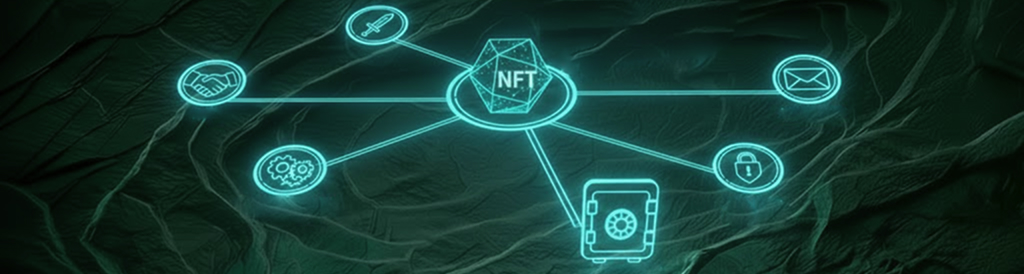
Integration with Other Modules
NFT becomes part of a single system: transactions, communication, custody, and risk policies are combined into one perimeter.
-
P2P
NFTs can be listed on P2P: secure transactions, transparent statuses, reduced fraud. -
Token Creation
NFTs complement token issuance: collections, membership, tickets, certificates, digital “passes” for products and communities. -
Messenger
Discussion of terms and fixation of NFT deal statuses: requests, invoices, receipts, and confirmations. -
Cold Storage
NFTs can be stored in a separate perimeter as a value asset, without interfering with daily operations. -
Enhanced Security
Geo-rules, sessions, holds, duress mode, protection against coercion - especially important for high-value collections. -
My Games
NFTs become the foundation for in-game items and statuses: the bank turns into a place where the user has money, inventory, and digital identity in one place.
Why this module strengthens growth
NFT adds new entry, retention, and monetization scenarios through communities, brands, and gaming integrations, without breaking the core banking experience.
NFT delivers something that is rarely combined in a single product:
convenient issuance and management of assets, combined with protection against the most common market attacks and user mistakes.
When digital objects are stored alongside money and protected by the same rules, the ecosystem stops being a collection of separate features and becomes an environmentin which it is beneficial for the user to stay.